Nairobi—Kenya is accelerating efforts to eliminate lymphatic filariasis, commonly known as elephantiasis, as a public health problem by 2027. Yearly mass drug administration carried out between 2016 and 2022 have effectively halted transmission of the disease—a painful and disfiguring mosquito-borne infection that can cause permanent disability.
The efforts are in line with the World Health Organization (WHO)’s Neglected Tropical Disease Road Map (2021–2030), which has two key components of elimination: to stop the spread of infection with preventive chemotherapy called mass drug administration and to alleviate the suffering of affected people through care and disability prevention.
In 2025, as a precautionary measure, Kenyan health authorities carried out additional drug administration in the country’s coastal region with another round planned for 2026.
The country is also implementing an essential package of care to improve the quality of life of people affected by this debilitating neglected tropical disease.
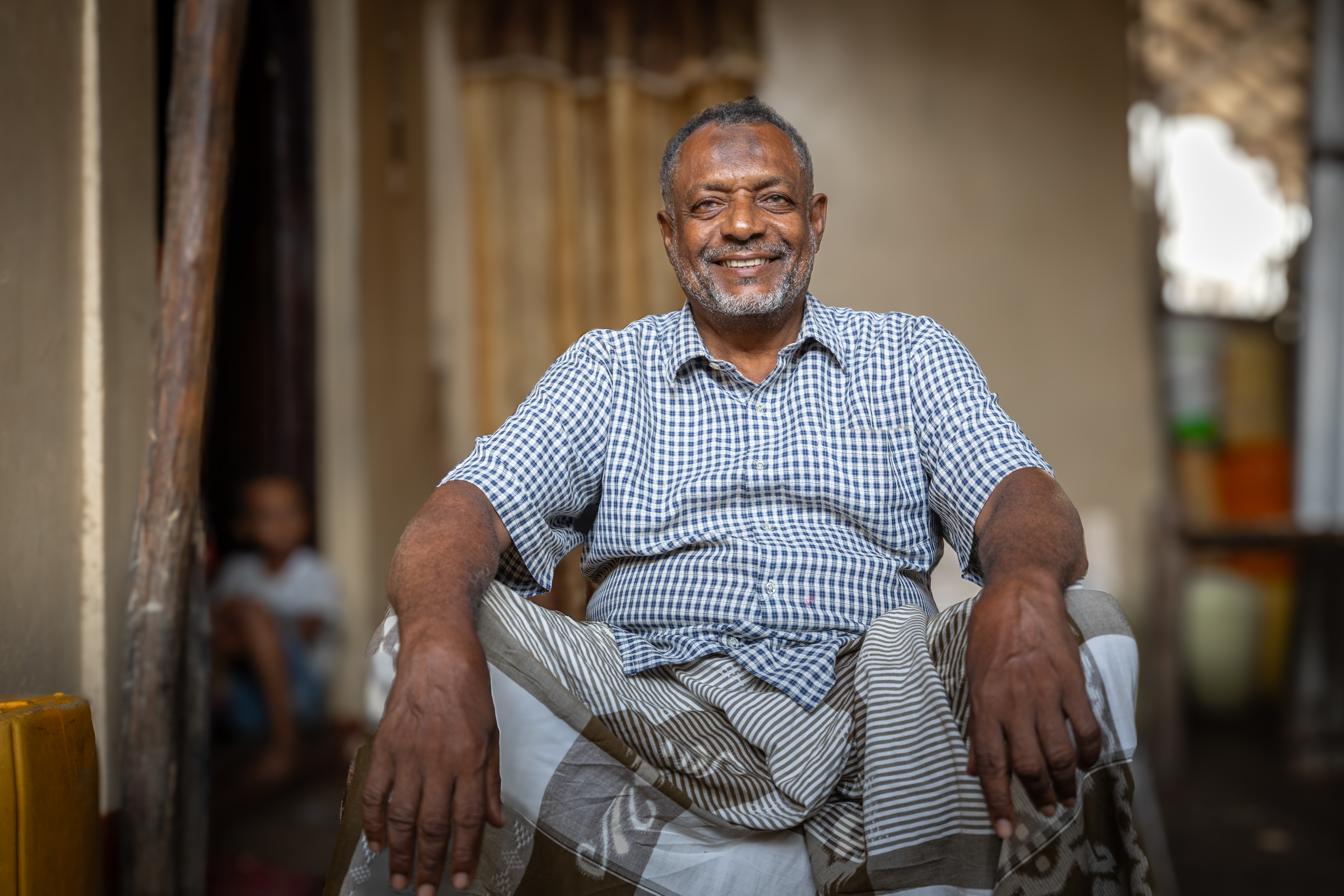
He did not know it at the time, but Swabur was developing hydrocele, swelling of the scrotum caused by lymphatic filariasis.
This neglected tropical disease is transmitted by mosquitos carrying filarial worms (microscopic parasitic worms) which damage the lymphatic system as they mature.
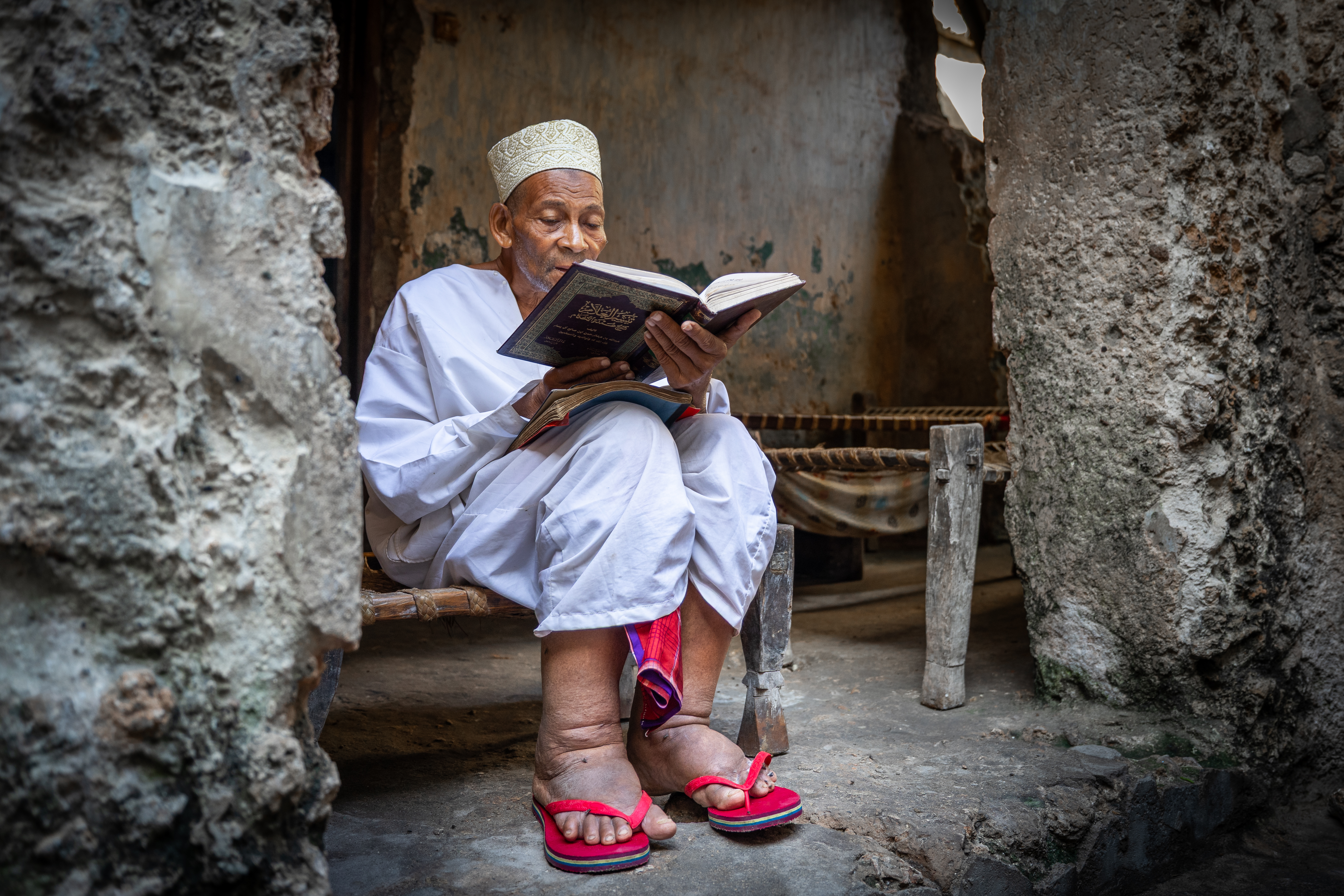
Symptoms can be mild during childhood and the painful and profoundly disfiguring visible manifestations of the disease can occur later in life and cause disability. This can lead to social stigma and impact mental health, quality of life and ability to work.
This was the case with Swabur. “As I got older, the swelling got worse,” he says. “The pain and swelling made it hard to farm or even walk properly. Life became very difficult.”
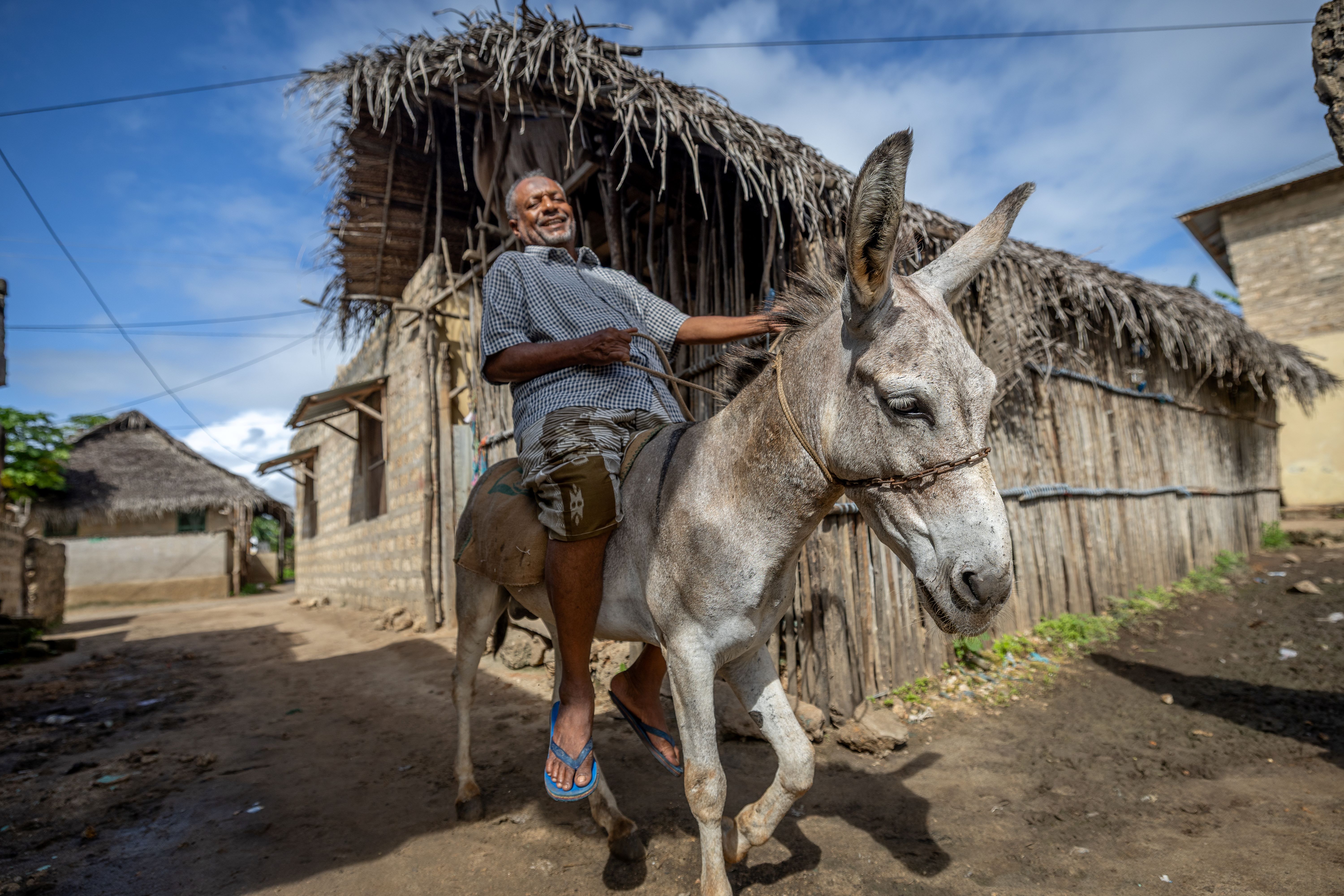
“After the surgery, I feel much better,” he says. “I use my donkey every day for farming and carrying things. It feels good to be able to do that again.”
Surgery and ongoing care to prevent acute inflammation are the main ways to alleviate suffering and improve the quality of life of people with lymphatic filariasis.
This is the approach of Kenya’s Ministry of Health in its bid to eliminate the disease.
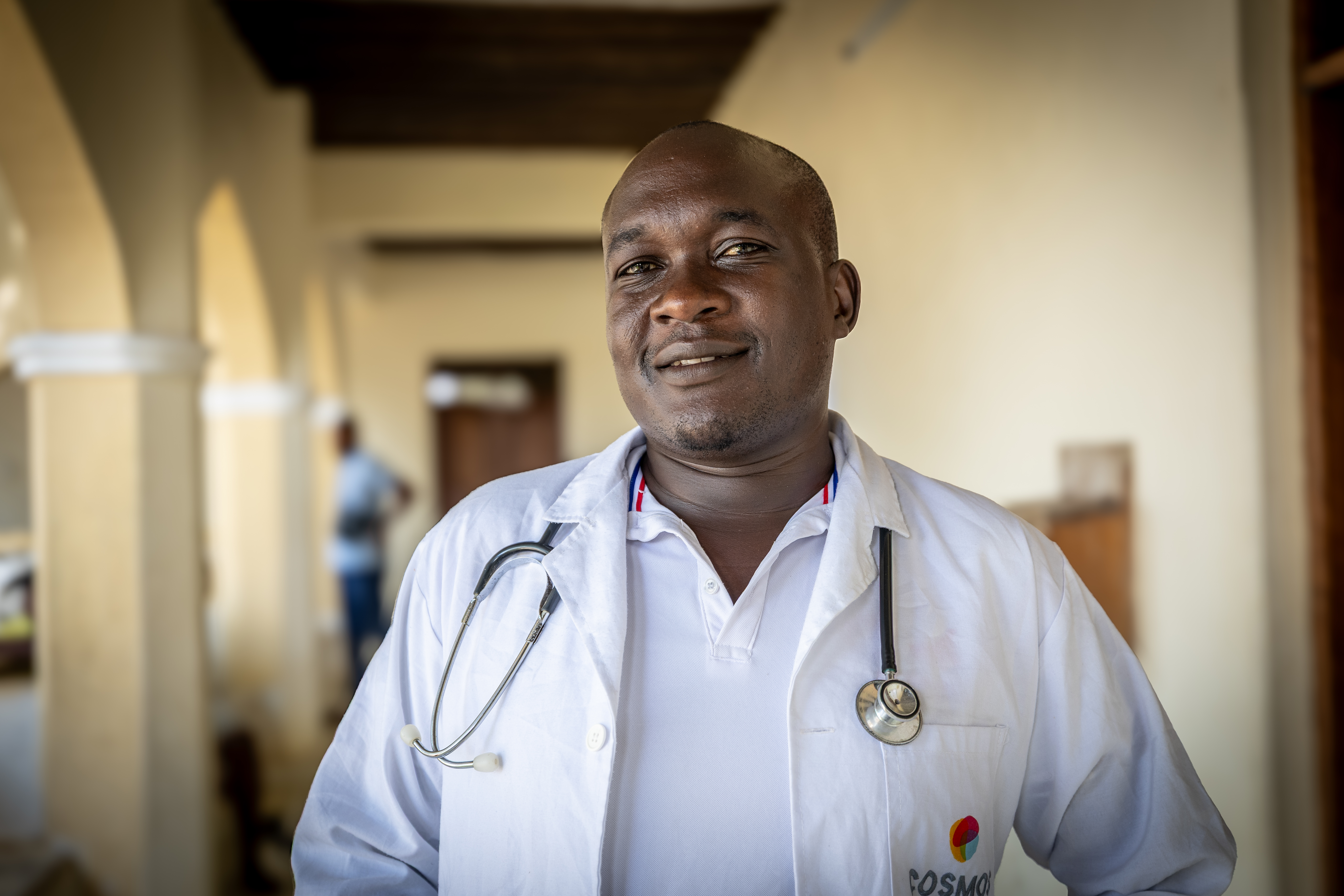
This increase is largely a result of two training sessions which the Ministry of Health and partners conducted in May and October 2024.
More than 100 health workers, including 12 local surgeons, 2 urologists and 26 medical officers across the six counties were trained in hydrocelectomy procedures, with funding from The END Fund, through AMREF.
Facilitators came from University of Nairobi, Kenya National Hospital, county hospitals, and included a surgeon from WHO.
"After surgery, the patients are happy. They used to complain about pain and fever, but now they are doing their daily activities again," says Job Mwakusu, Nurse in Charge at the Siyu Dispensary in Lamu.
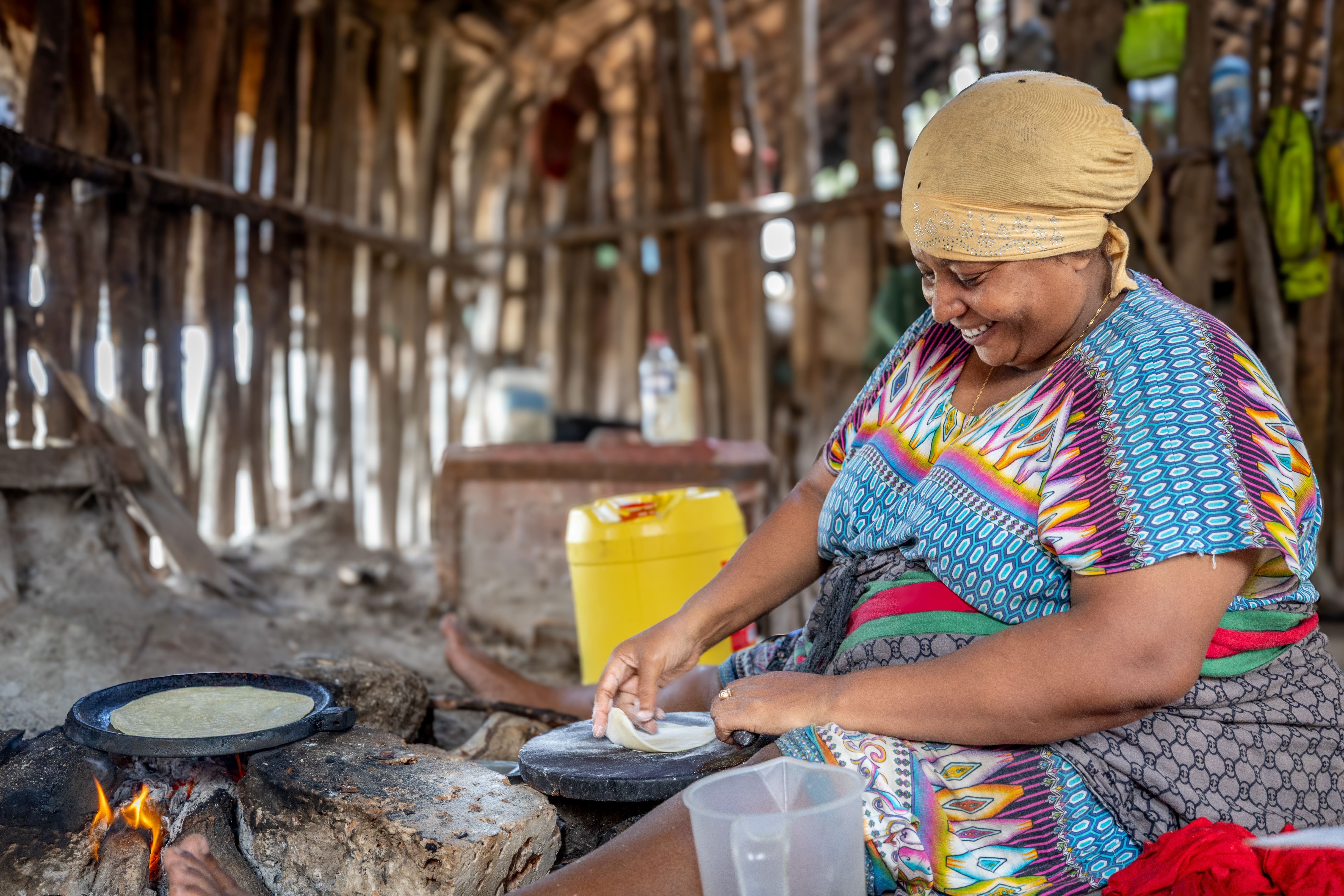
Three high-burden counties have screened for and mapped lymphoedema cases. They have trained health workers and community health workers and more than 670 affected people have been trained on home-based care.
Hanifa Athman, 35-year-old resident of Pate Island, cares for her mother who has lymphoedema. She is grateful that mass drug administration has stopped transmission among young people.
"My grandfather had it too,” she says. “I’ve seen this disease in my community for generations, although we don’t see it in children anymore."
“The most successful part of this campaign is that people accepted the medicine and are even ready to seek surgery for hydrocele. That shows real impact,” says Adlai Ismail, Lamu Sub-County Health Records and Information Officer, who was part of the 2025 mass drug administration.
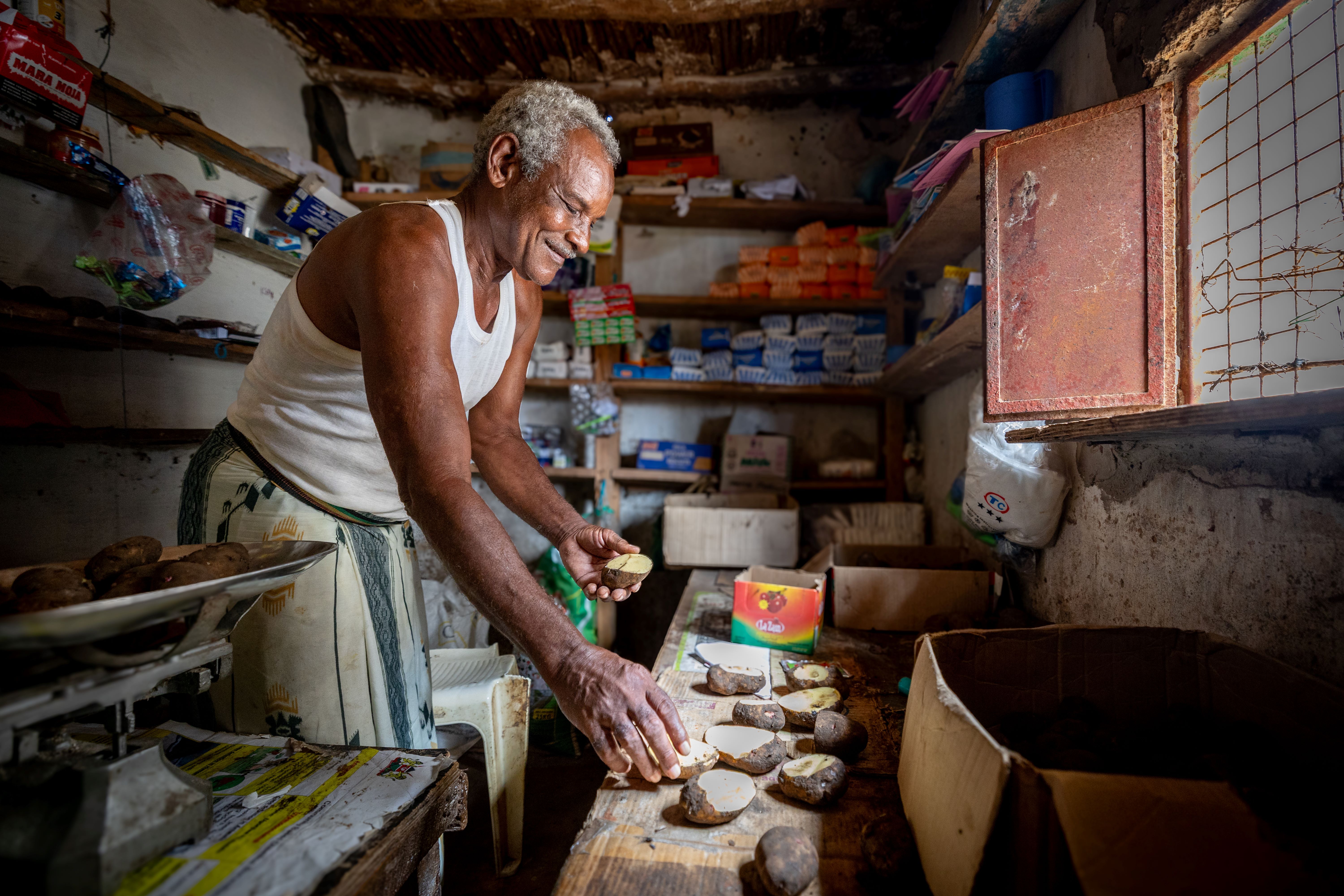
The surgery takes less than an hour and recovery is around two weeks. It is life-changing, according to 73-year-old Bwana Edhia, a former fisherman from Ndau Island, Lamu County, who underwent the procedure at Lamu Country Referral Hospital in 2023.
“Since the operation, I’ve felt much better. I stay at home now and run a small shop, which helps me earn something and stay busy,” he says.
“WHO commends the accelerated efforts of the government to eliminate lymphatic filariasis,” says Dr Neema Kimambo, WHO Representative in Kenya. “We will continue to support the country in its last mile efforts to achieve this important public health milestone.”
As Kenya gears up for elimination, health authorities are making efforts to clear the backlog and give older people affected by the disease their lives back.
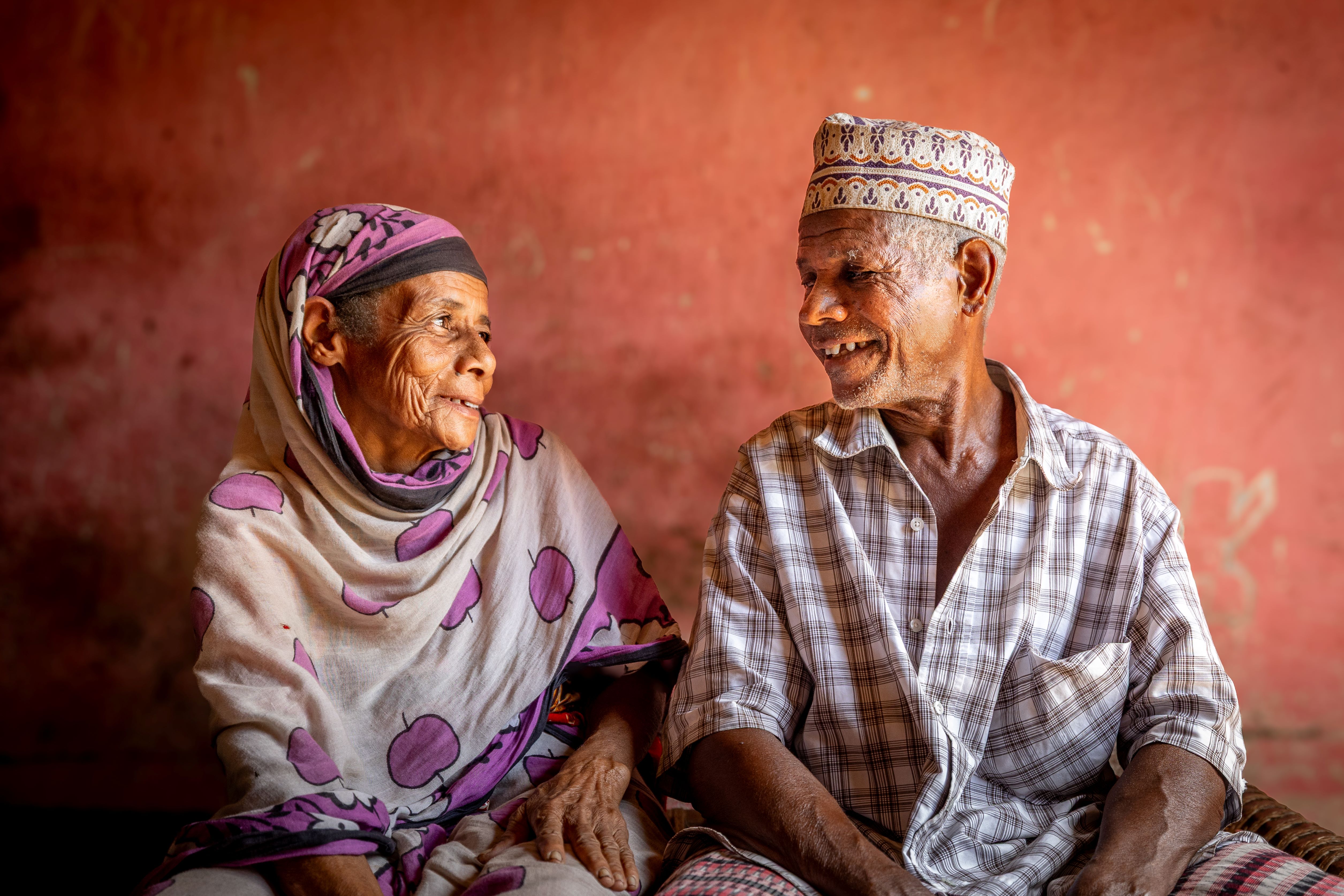
“It was so hard to see him in that condition. He could not work and he was in pain a lot of the time,” says Tina Shee Majid, wife of Mzee Abubakar Abdala, who had two hydrocelectomies at Lamu County Referral Hospital—the first on his left side in 2019 and then on his right side in 2023.
“After the surgery, everything changed. He is doing better now, and we are all happy. We can now sleep peacefully,” she says.
Communication officer
WHO Kenya
Tel: +254 740 466 426
Email: printg [at] who.int (printg[at]who[dot]int)
Communications and Media Relations Officer
WHO Regional Office for Africa
Email: saida.swaleh [at] who.int (saida[dot]swaleh[at]who[dot]int)